
Kayli: An Advocate’s Perspective
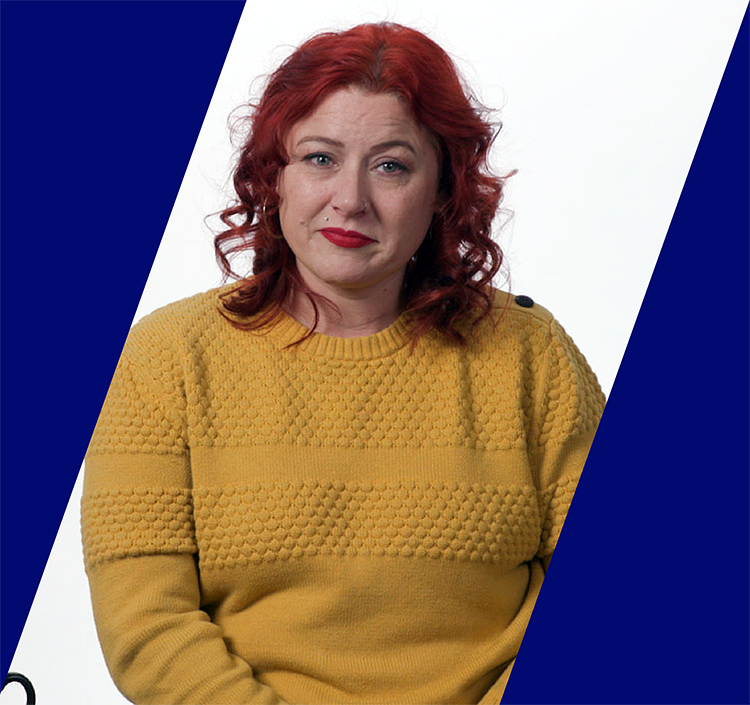
Kayli knew that Josie came to Alexandra House full of fear. Her life had become consumed with surviving from one threat to the next. She saw that Josie had been living in isolation with no source of support. Most of Josie’s relationships had been seriously damaged by the abuse she endured while continuing on with her abuser, and nothing was safe in her life anymore. The initial call from law enforcement about Josie’s case indicated just how serious her abuser’s threats of bodily harm, death, and dismemberment really were. As a legal advocate, Kayli identifies the risk level of survivor cases every day and knew these were very explicit threats and cause for immediate concern.
When domestic violence occurs, it is not unusual for offenders to violate no-contact orders that are put in place through criminal cases. However, the offender in Josie’s case made repeated violations and made them immediately. The first violation happened immediately after he was released from jail. This kind of violation and the frequency of the violations showed his complete disregard for consequences, and this was a serious concern for Josie’s safety. While these orders can provide some added layer of protection, they don’t provide much safety when the offender is not willing to abide by them. High-risk level survivors are more likely to be injured, or seriously harmed, due to intimate partner violence. She coordinates law enforcement referrals, arraignments, bail and release logistics, and monitoring for the safety of the victim/survivor.
“After police respond to a domestic incident, survivors like Josie are facing emotional distress and safety concerns after their world has been turned upside down. It can be difficult for survivors to even manage simple daily tasks. So, navigating a very complex and inaccessible legal system is even more difficult when you’re in crisis.”
As an Alexandra House legal advocate, Kayli encounters survivors who often need assistance with navigating the legal system. This can involve supporting survivors through criminal court hearings, helping them file restraining orders, safety planning, therapy, and even housing resources. It can be a long process to get out of abusive relationships, but Kayli understands the value of unconditional support to help survivors build the strength and resiliency they need to persevere. She believes in helping survivors find their sense of self again and believes this is important for recovery from intimate partner violence. In times of distress while safety planning, she often encourages participants to come back to things that make them feel like themselves – a beloved hobby, the comfort of a pet, or spending quality time with loved ones. Kayli notices how restorative it is for participants when they were taken away from their own identity in their abusive relationship.
“I have a lot of respect for the way that Josie handled everything. She had so much strength and resilience. I think her experience changed her profoundly, and I’m sure she would say the same thing.”
With each passing day, Kayli began to notice Josie’s newfound voice emerging. She made it heard through each person working on the case. She became introspective and used her gift of writing to prepare a victim impact statement that Kayli will never forget. Josie had given a voice to the voiceless and shared the story that needed to be told in only the way she could tell it. The level of introspection, understanding of her experience, and the grace Josie was able to give herself, are the gifts that give hope to advocates like Kayli as they journey alongside survivors towards a life free from violence.
Alexandra House is a safe space where healing begins. Our advocates listen first and then support each survivor’s journey of self-empowerment. They listen to survivors’ unique experiences and needs and work tirelessly to connect them to the services that can assist them as individuals and families, to thrive—whether that is accessing legal protection, completing a job or rental application, navigating the healthcare system, healing through support groups or therapy, or finding secure housing. Our programs offer transformative opportunities for participants like Josie to achieve personal goals, increase financial stability, build life skills, and integrate with their community. Alexandra House programs are a reliable avenue for survivors to have access to a continuum of care as they maintain a life free from violence that is stable and predictable.
Domestic violence, sexual assault, dating violence, and stalking are serious crimes that deeply affect our community’s health and safety. One in three women in the U.S. experience rape, physical violence, or stalking by an intimate partner in their lifetime. In 2024 alone, there were 12,494 domestic and 826 criminal sexual conduct radio calls to Anoka County. Nationally, 50% of female homicide victims are killed by an intimate partner. The impact of what we do at Alexandra House ripples beyond those directly affected by domestic and sexual violence. Just as when there is violence in a community, it harms everyone living in it.
Thank you for being part of the heart behind the movement of our vital programs and services. We rely on the dedication and tireless devotion of mission-driven advocates like Kayli and steadfast supporters like you. Together, we can ensure that survivors like Josie receive the necessary resources and support their unique circumstances will require. We wish you well this holiday season and have a renewed sense of hope as we all stand together.
As you consider the size of your year-end gift, please think about the magnitude of the challenge our community is facing:
- Domestic violence can be lethal: Women are killed by intimate partners (spouses, lovers, ex-spouses, ex-lovers) more often than by any other type of perpetrator. In 2021, 34% of female homicide victims were killed by an intimate partner.
- Arguments and jealousy are common circumstances in the months leading up to intimate partner homicides.
- The presence of a gun in a domestic violence situation increases the risk of homicide 5-fold, or by 600%.
- Children are exposed to violence, too: About 1 in 10 children in the U.S. are exposed to intimate partner violence in their homes in their lifetimes.